The case files
Episodes
Looking for a particular fallacy? Try the Fallacy A–Z.
-

Shifting the Burden of Proof FT#38
Typically, the burden of proof lies with the person making the claim. The more outrageous the claim, the more the claimant should be expected to provide…
-
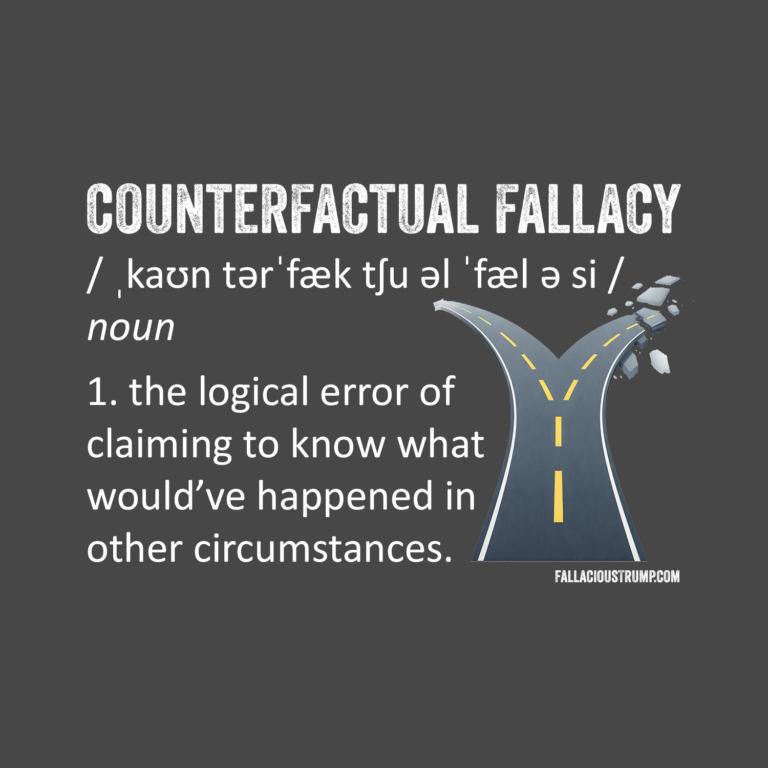
Counterfactual Fallacy FT#37
The Counterfactual fallacy is often committed when someone speculates on the specifics of how things would be different in different circumstances, or in the future if…
-

Equivocation FT#36
The Equivocation fallacy relies on using a word with more than one meaning to set up a misleading argument. Often the word will be used in…
-
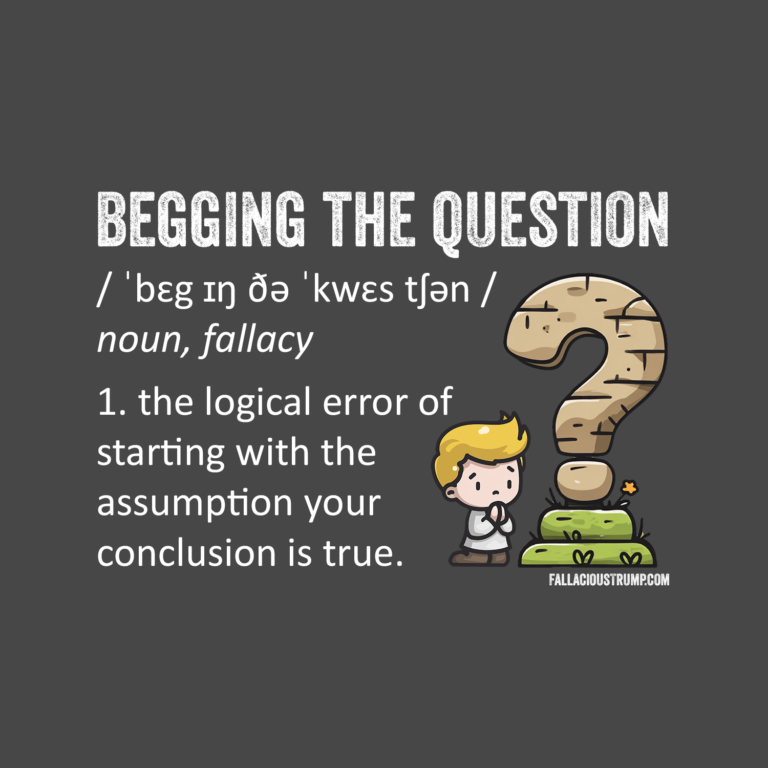
Begging the Question FT#35
Begging the Question is one of those phrases that has come to mean something different over time. Colloquially, it is used to mean ‘raising the question’,…
-
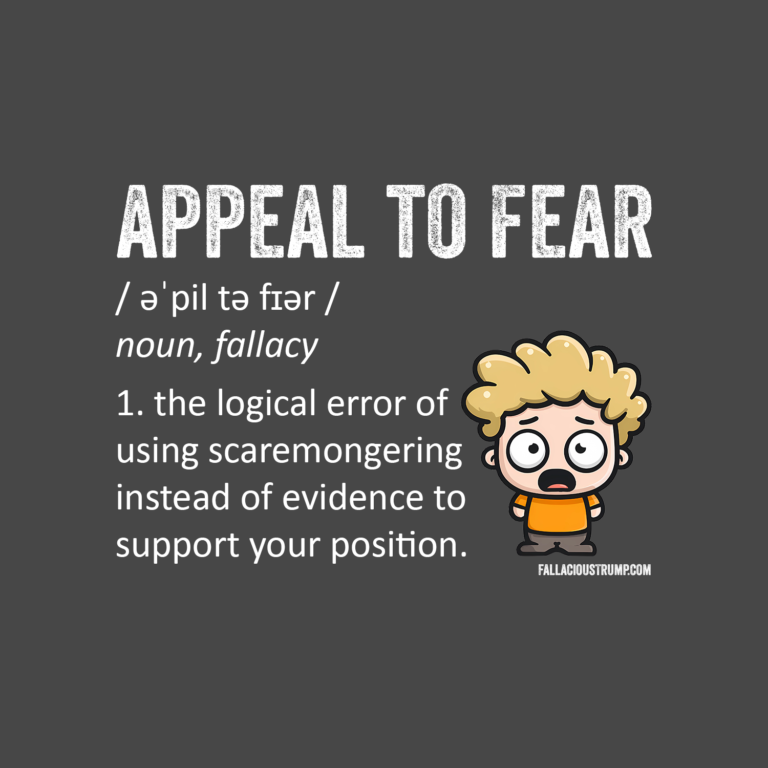
Appeal to Fear FT#34
People often make decisions based on emotion rather than logic, so appealing to that emotion can be a very useful technique when you’re trying to persuade…
-

Red Herring FT#33
A Red Herring is a distraction, anything that sends a conversation off on a tangent and away from the original point. When someone completely avoids a…
-
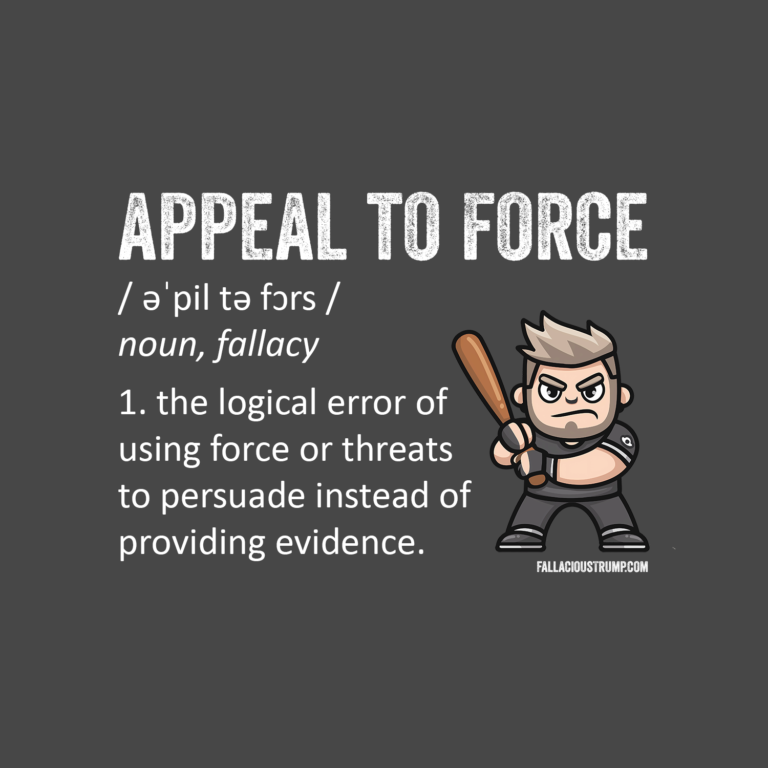
Appeal to Force FT#32
Appeal to Force, or Argumentum Ad Baculum, is a fallacy where someone tries to use pressure or threat to get their opponent to accept their position…
-

Traitorous Critic Fallacy FT#31
The Traitorous Critic Fallacy, or Ergo Decedo, is a fallacy where someone dismisses a person with genuine complaints by telling them if they don’t like it,…
-

Argument from Antiquity FT#30
The Argument from Antiquity is a fallacy where the arguer claims that something is right or good because it’s traditional. If a person claims that we…
-

Argument from Personal Incredulity FT#29
The Argument from Personal Incredulity describes a situation where someone dismisses a claim for no other reason than they find it difficult to believe. In fact,…
-

Gish Gallop FT#28
The Gish Gallop is a method of debating that focuses on quantity of arguments over quality, overwhelming your opponent with multiple arguments, each of which is…
-

Single Cause Fallacy FT#27
The Single Cause Fallacy is committed when the speaker assumes a complex outcome to have one cause, thereby making it easier to blame on somebody or…