Logical Fallacies in The Simpsons
Every Fallacious Trump episode featuring The Simpsons, 24 so far. Each one breaks down a logical fallacy with real clips and a plain-English definition. Pick a card to hear the episode.
-

Tu Quoque (Redux) FT#201
Tu Quoque literally means “You too.” It’s a particular type of Red Herring fallacy where the speaker avoids responding to a criticism by distracting the listener…
-

Non Sequitur (Redux) FT#162
The Non Sequitur Fallacy occurs when someone makes a conclusion that does not follow from the premises.
-
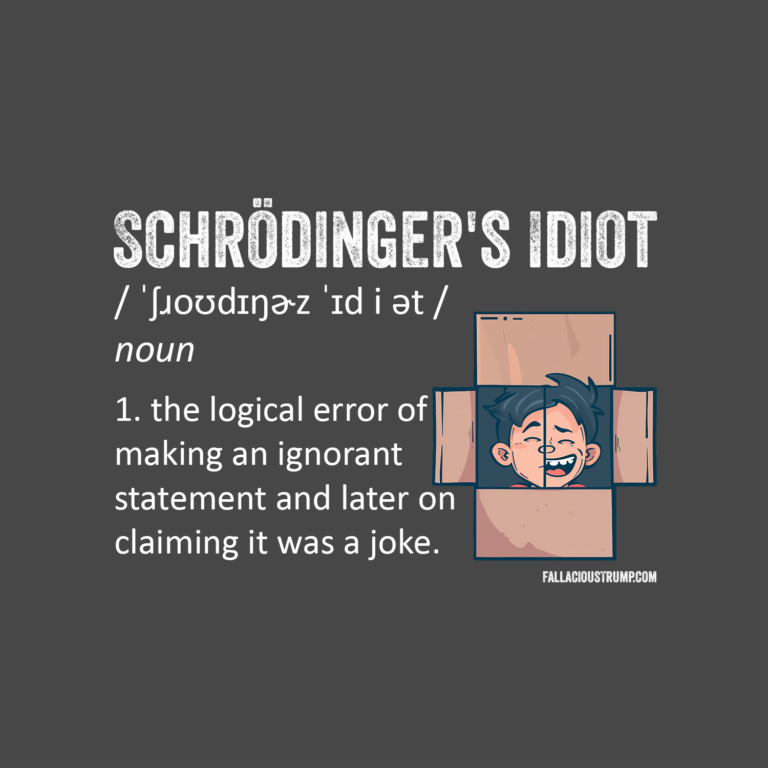
Schrödinger’s Idiot FT#142
The Schrödinger’s Idiot fallacy occurs when someone says something ignorant, bigoted or just wrong, and later claims it was a joke when they are criticized for…
-
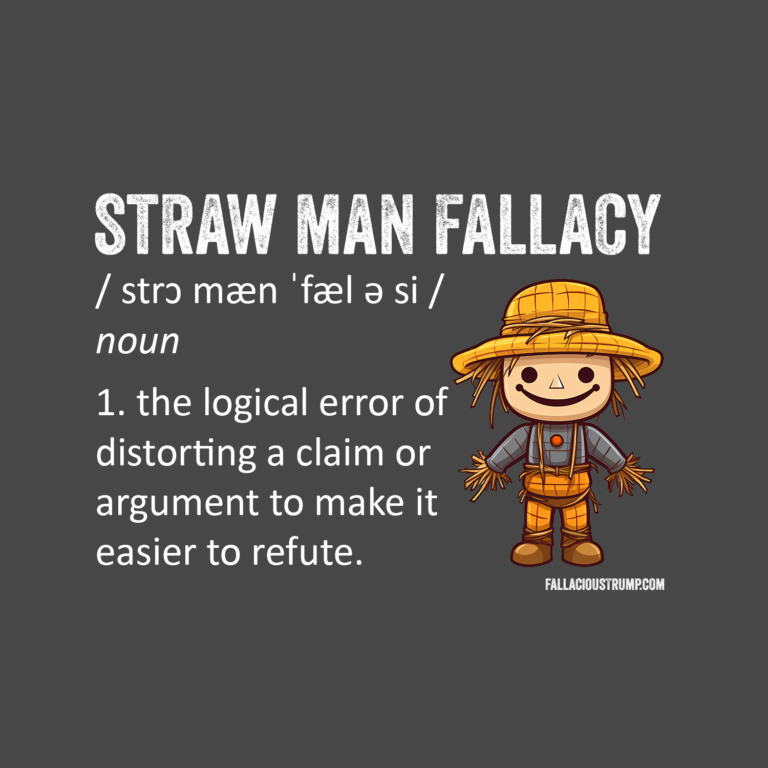
Straw Man (Redux) FT#139
A Straw Man Fallacy occurs when someone distorts or misrepresents their opponents argument to make it easier to defeat.
-

Genetic Fallacy (Redux) FT#130
The Genetic Fallacy is committed when someone believes or dismisses a claim based on its origins rather than on evidence.
-
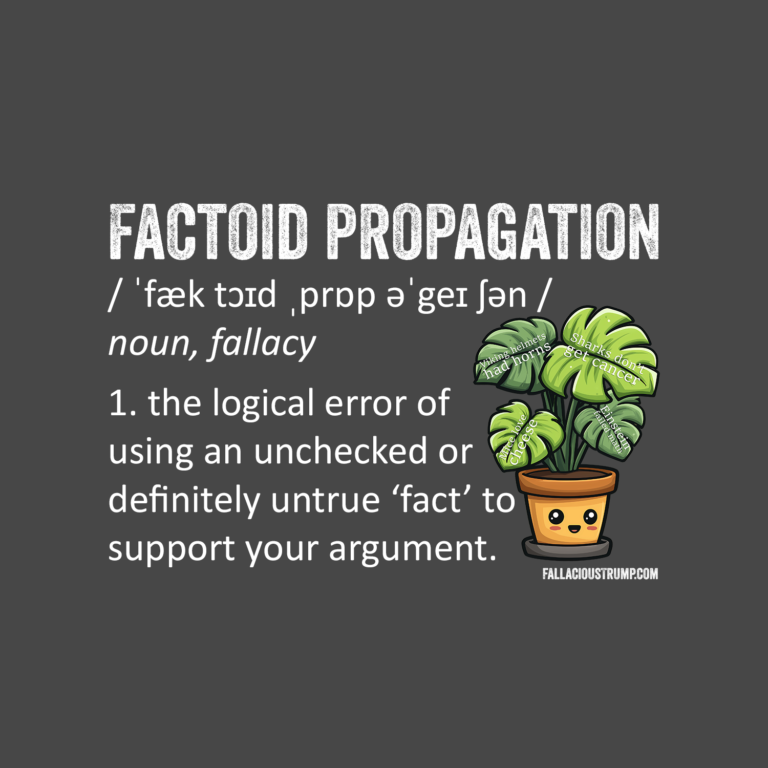
Factoid Propagation FT#122
The fallacy of Factoid Propagation is committed when someone uses a ‘fact’ they heard to support their position, without knowing (or caring) if the fact is…
-

Morton’s Fork FT#119
The Morton’s Fork Fallacy is committed when someone suggests two seemingly different choices actually lead to the same negative result.
-

If By Whiskey FT#117
The If By Whiskey Fallacy is committed when someone either takes such a non-committal stance on an issue that they could be supporting either side, or…
-

Argument to the Purse FT#115
The Argument to the Purse occurs when someone suggests rich people are smarter, better or more likely to be correct based on their wealth.
-
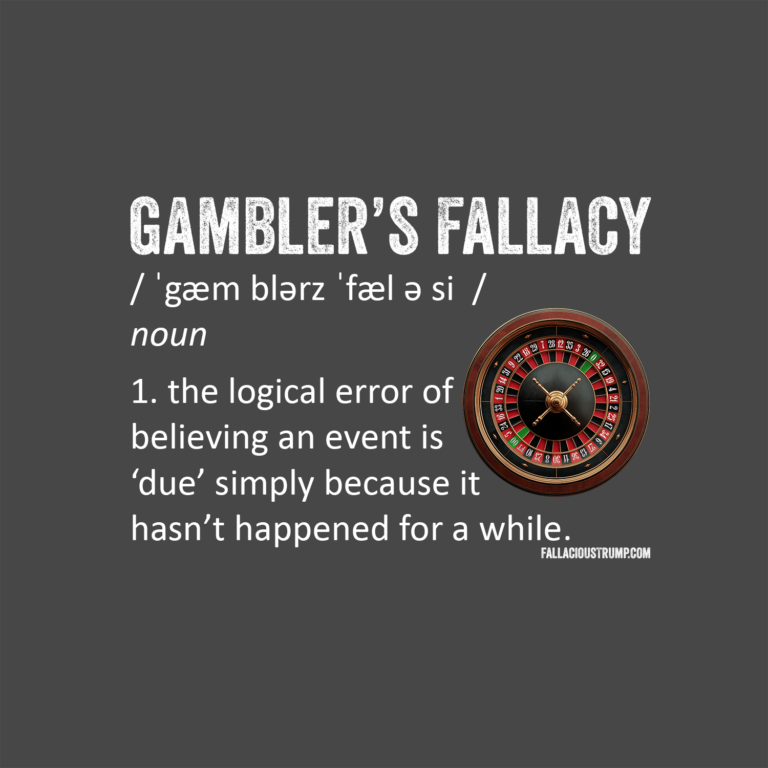
Gambler’s Fallacy FT#111
The Gambler’s Fallacy is committed when someone confuses dependent and independent events or claims that a particular outcome is ‘due’ because it hasn’t happened for some…
-

Complex Question Fallacy FT#108
The Complex Question Fallacy is committed when someone asks a question which includes the answer they are expecting or only allows people to answer in one…
-

Appeal to Loyalty FT#95
The Appeal to Loyalty Fallacy is committed when someone suggests you should believe a truth claim due to the loyalty you feel to the person making…
-

Broken Window Fallacy FT#85
The Broken Window Fallacy is committed when someone tries to claim when a bad thing happens, that good things will result from it, which makes it…
-
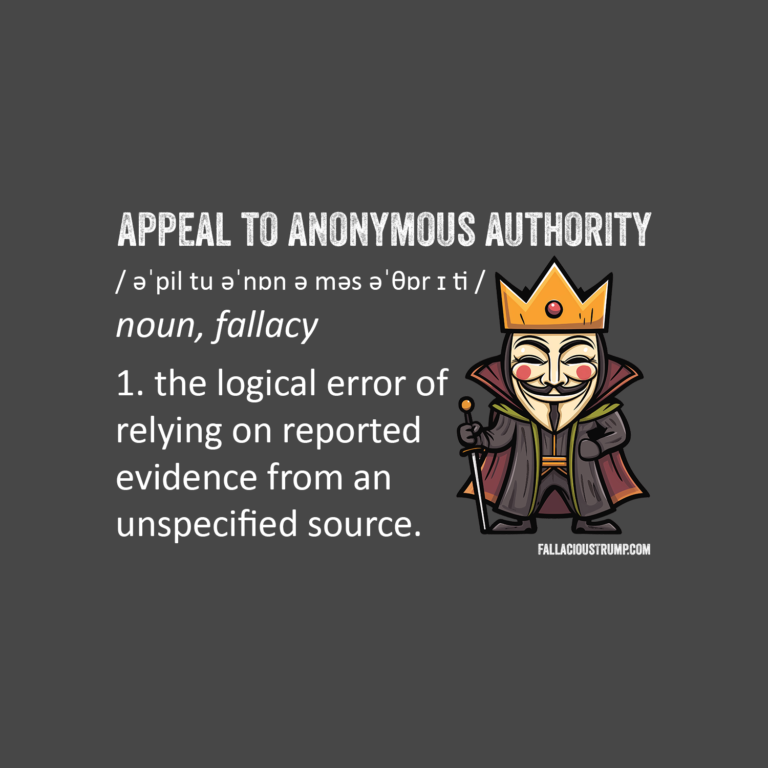
Appeal to Anonymous Authority FT#70
The Appeal to Anonymous Authority is committed when someone cites an authority to back up a claim, but the authority is unnamed, vague or similarly uncheckable.
-
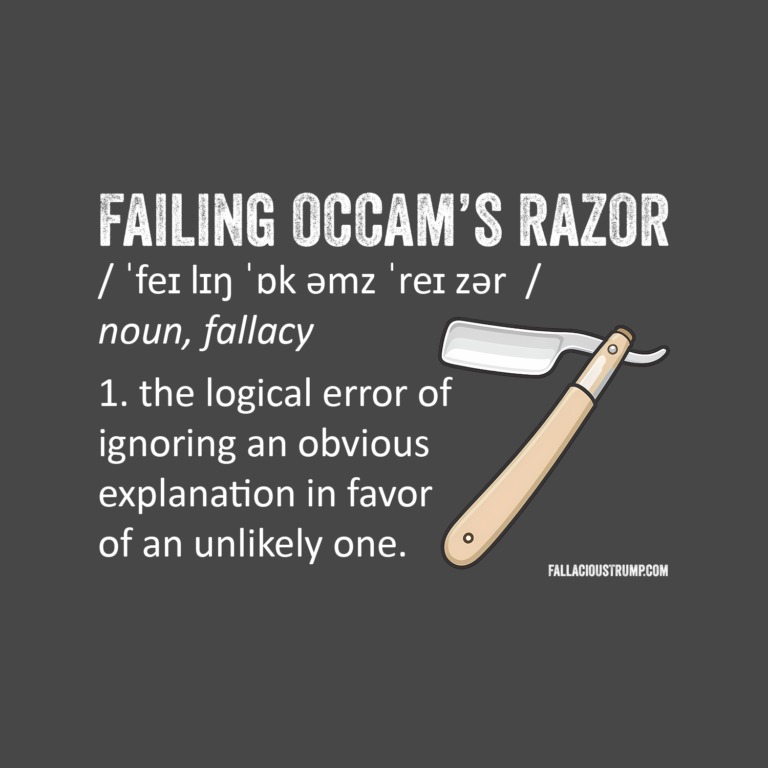
Failing Occam’s Razor FT#68
The Failing Occam’s Razor Fallacy is committed when someone ignores an obvious or simple explanation for something and chooses a far-fetched hypothesis instead.
-

Ad Hoc Fallacy FT#63
The Ad Hoc Fallacy is committed when someone makes stuff up in order to avoid accepting evidence against their belief.
-

Ambiguity Fallacy FT#62
The Ambiguity Fallacy is committed when someone is deliberately vague or ambiguous to make their point or avoid answering a question.
-
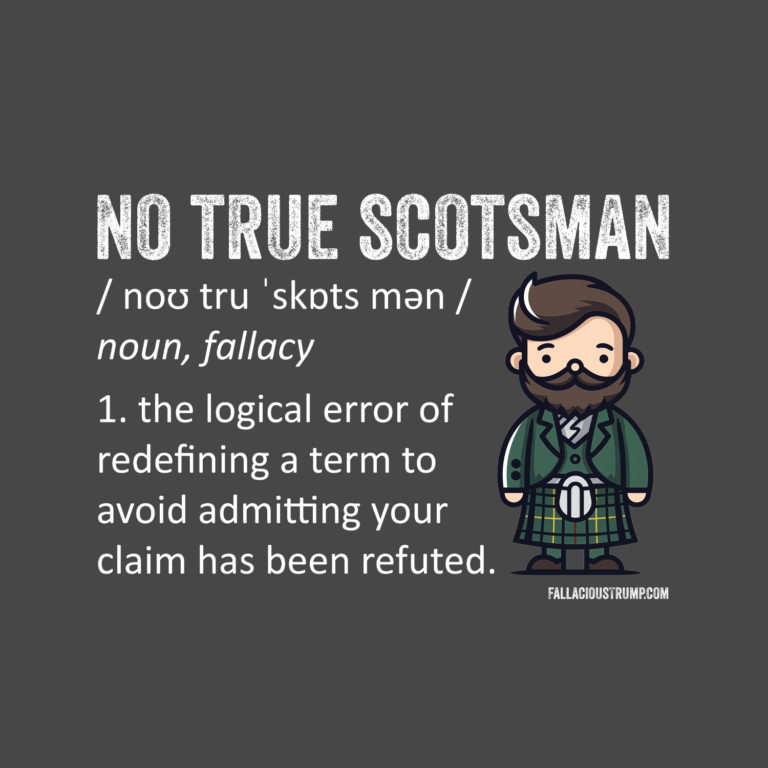
No True Scotsman FT#48
The No True Scotsman Fallacy is committed when your existing definition of a particular group is challenged by a member who doesn’t fit the criteria. Rather…
-
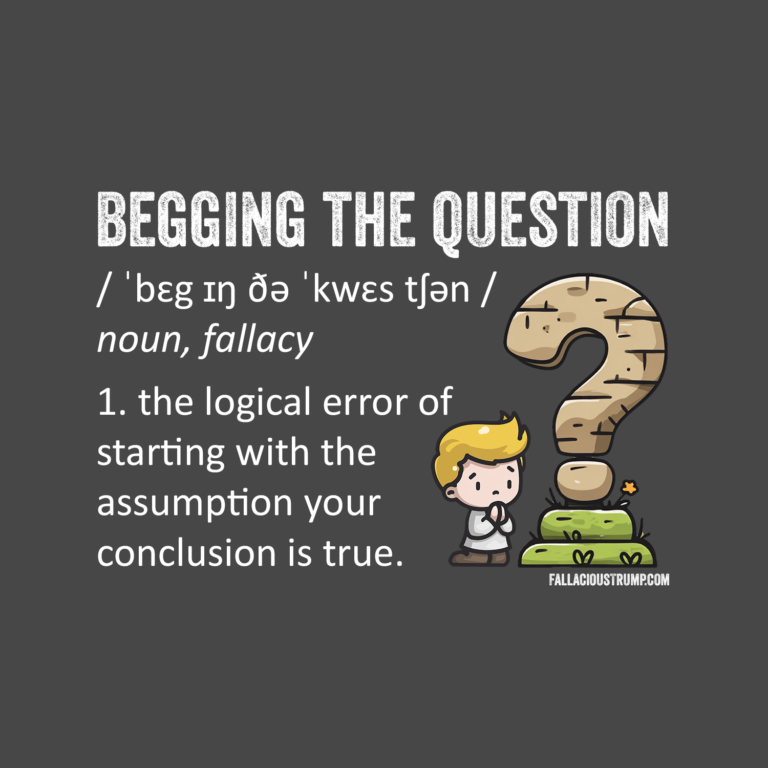
Begging the Question FT#35
Begging the Question is one of those phrases that has come to mean something different over time. Colloquially, it is used to mean ‘raising the question’,…
-
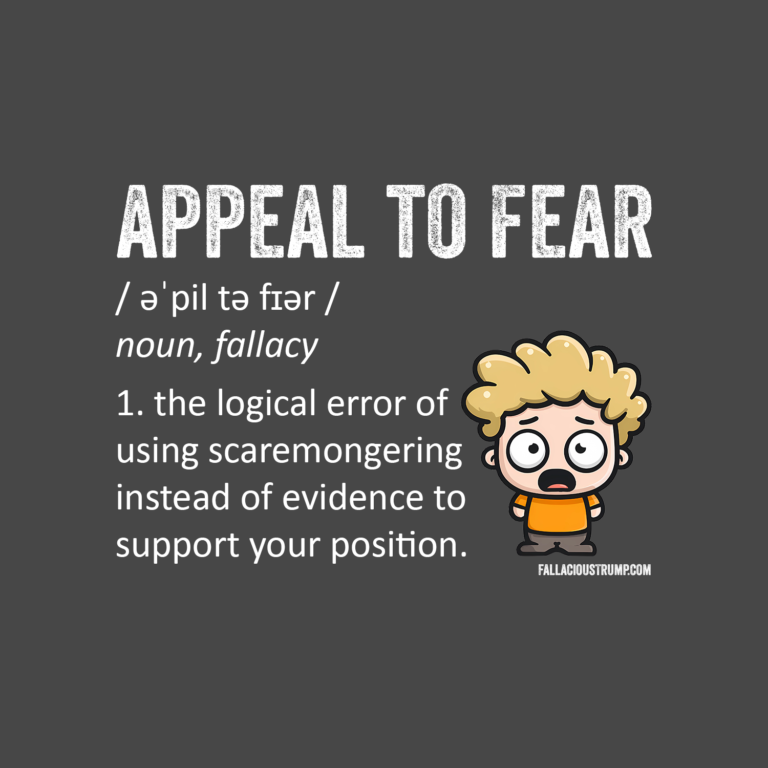
Appeal to Fear FT#34
People often make decisions based on emotion rather than logic, so appealing to that emotion can be a very useful technique when you’re trying to persuade…
-

Red Herring FT#33
A Red Herring is a distraction, anything that sends a conversation off on a tangent and away from the original point. When someone completely avoids a…
-
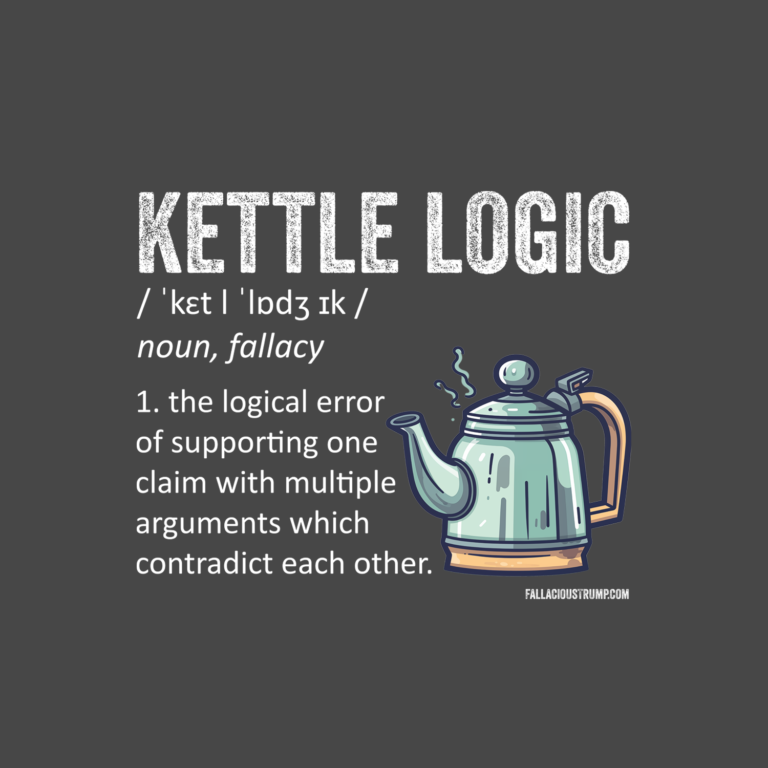
Kettle Logic FT#26
Kettle Logic is when multiple arguments are presented at once, often overlapping or contradicting each other, without acknowledging the contradictions.
-

Ignoratio Elenchi FT#24
This fallacy, sometimes called ‘Missing the Point’, is committed when someone provides evidence refuting or proving a point which is irrelevant to the issue at hand.…
-
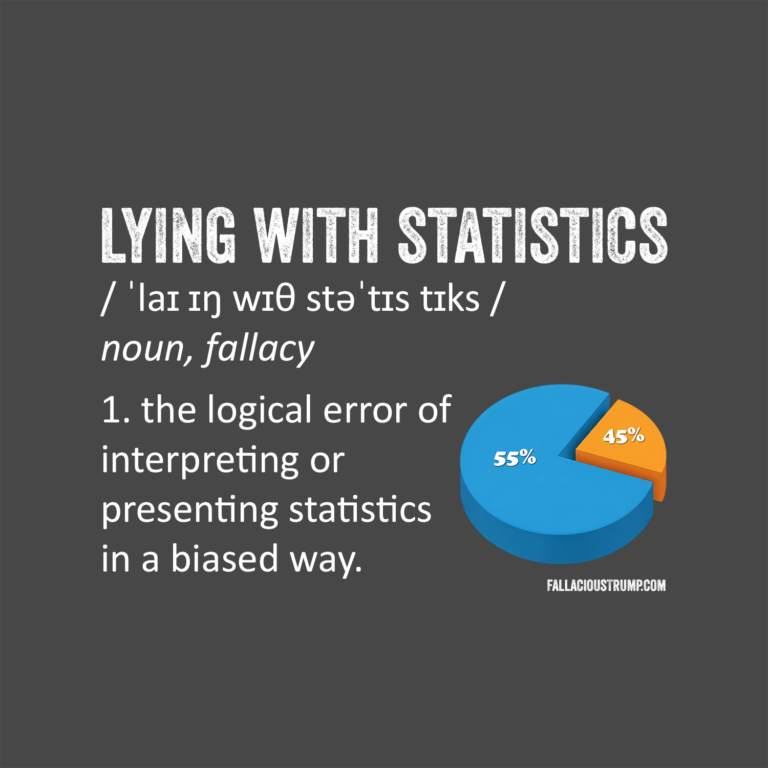
Lying with Statistics FT#19
Lying with Statistics can involve using highly specific numbers to make it seem like you know what you’re talking about, using a true statistic out of…