Fallacies
-

Slippery Slope (Redux) FT#180
The Slippery Slope fallacy is committed when a person assumes if one bad thing happens, then more, and often worse, bad things will inevitably follow. It…
-

Ethnocentric Fallacy FT#179
The Ethnocentric Fallacy occurs when someone starts from an assumption that their own culture is superior to others or was more instrumental in history than it…
-
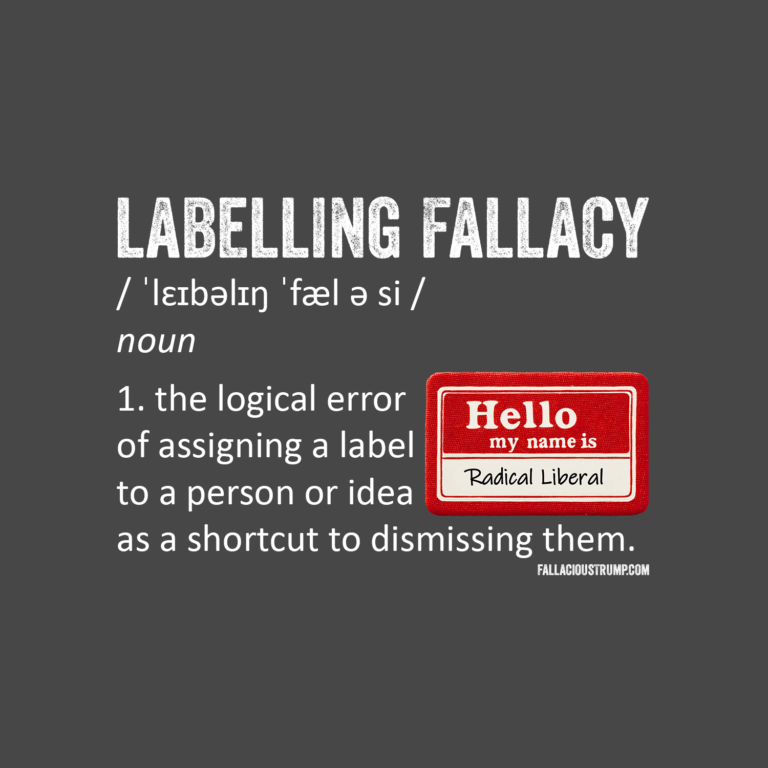
Labelling FT#178
The Labelling Fallacy occurs when someone assigns a (usually negative) label to a person or idea as a shortcut to avoid providing evidence of how the…
-
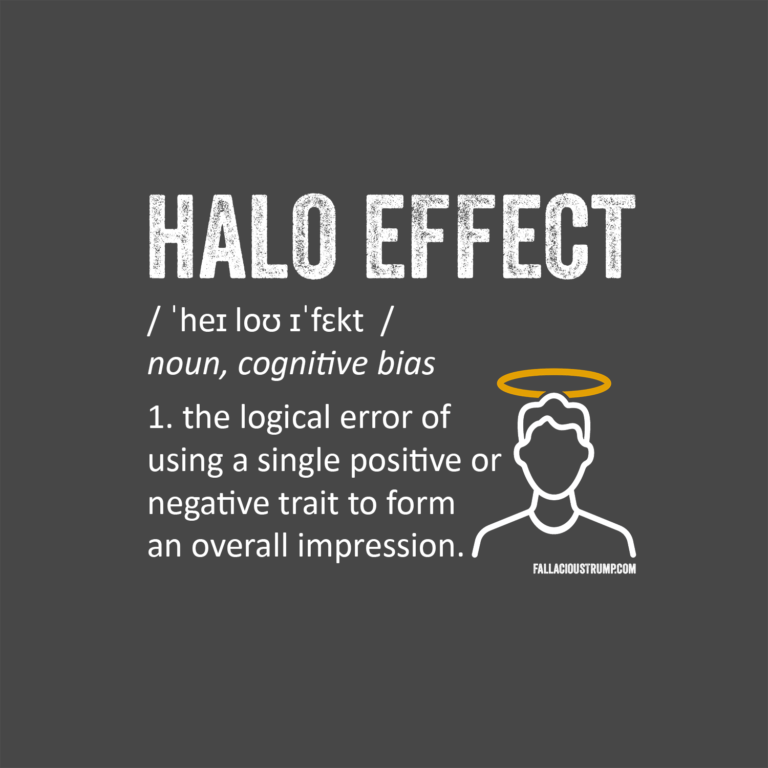
Halo Effect FT#177
The Halo Effect is a cognitive bias that leads people to base their whole opinion of someone on a single positive or negative trait.
-

Appeal to Outdated Data FT#176
The Appeal to Outdated Data fallacy occurs when someone uses evidence to support their claim, but the evidence has already been debunked or superseded by contradictory…
-

Argument from Popularity (Redux) FT#175
The Argument from Popularity Fallacy occurs when someone makes a claim based on how many people believe an idea or use a product rather than providing…
-

Furtive Fallacy FT#174
The Furtive Fallacy occurs when someone assumes that significant events are due to hidden actions by nefarious powerful people.
-

Hypophora FT#173
Hypophora occurs when someone answers their own question without giving anyone else a chance to answer. It can be fallacious if the answer given serves them…
-

Jingoism Fallacy FT#172
The Jingoism Fallacy occurs when someone attempts to appeal to patriotic emotions rather than reason to persuade others.
-

Golden Hammer Fallacy FT#171
The Golden Hammer Fallacy occurs when someone assumes it is sensible to rely on a single tool or method to solve every problem.
-

Appeal to Common Sense FT#170
The Appeal to Common Sense fallacy occurs when someone invokes “common sense” as a reason to believe something instead of providing evidence.
-

Inconsistent Comparison (Redux) FT#169
The Inconsistent Comparison Fallacy occurs when someone backs up their argument by comparing things which actually differ in important and relevant ways.