Logical Fallacy
-

Double Standard Fallacy FT#83
The Double Standard Fallacy is committed when someone treats two very similar situations differently (usually to their advantage) with no explanation why.
-
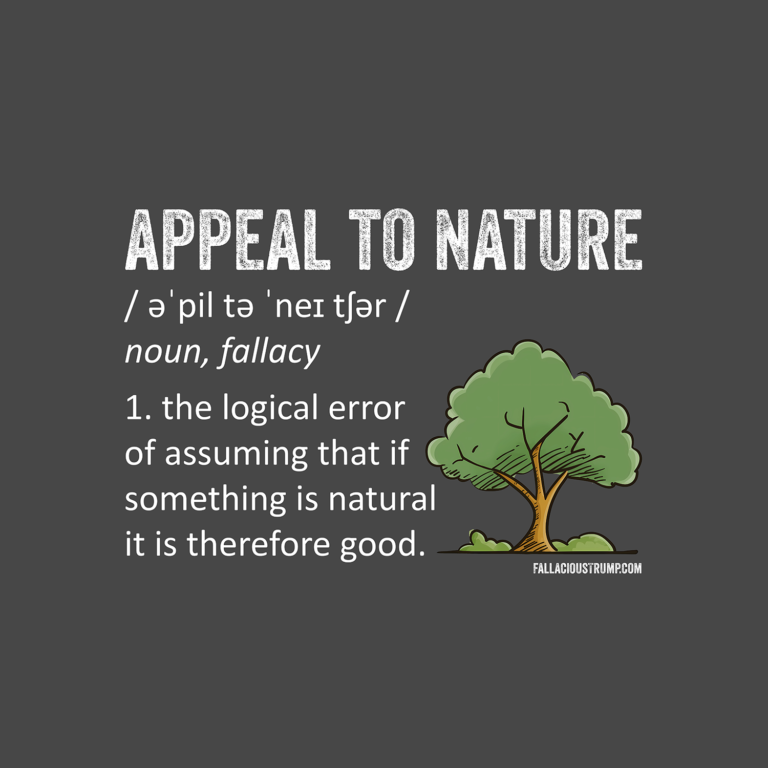
Appeal to Nature FT#82
The Appeal to Nature is committed when someone assumes that something that is natural is therefore good, or something that is unnatural or artificial is therefore…
-
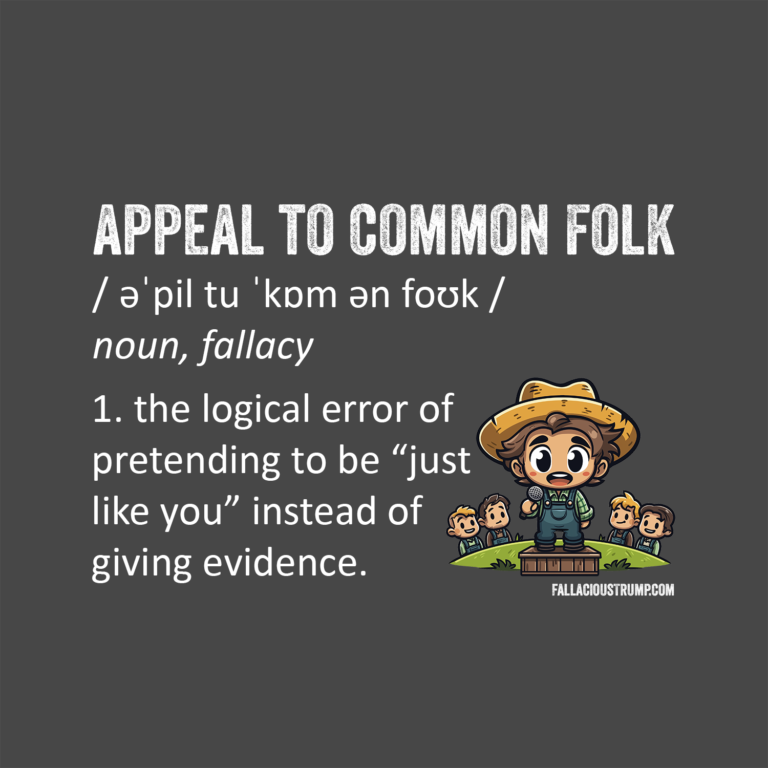
Appeal to Common Folk FT#81
The Appeal to Common Folk is committed when someone tries to get the listeners to believe him by showing them what a regular guy he is.
-

Just World Fallacy FT#80
The Just World Fallacy is committed when someone assumes that if something bad happens to you, it’s probably because you’re a bad person.
-
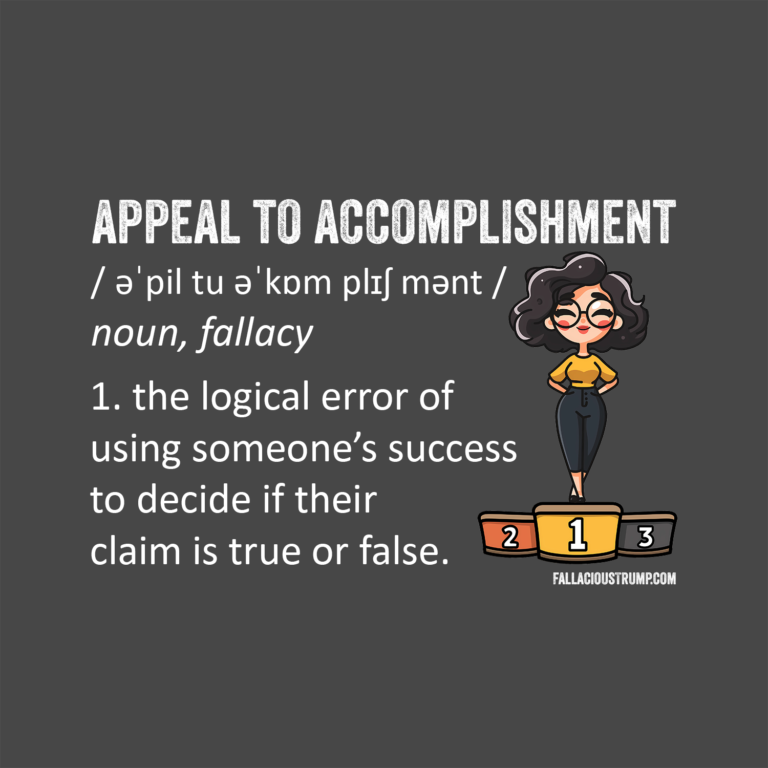
Appeal to Accomplishment FT#79
The Appeal to Accomplishment Fallacy is committed when someone refers to their abilities or achievements as a reason to believe them rather than using arguments.
-
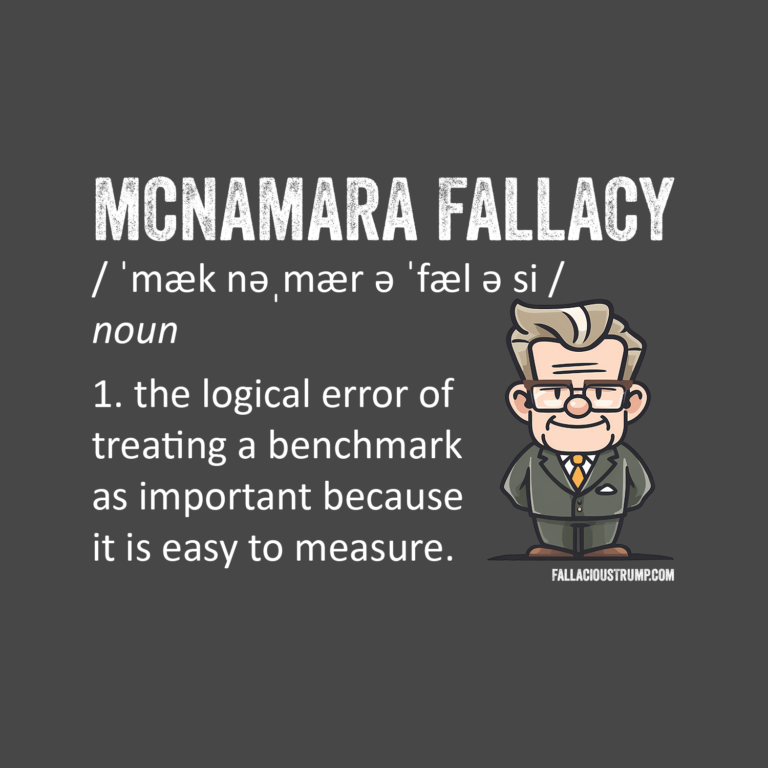
McNamara Fallacy FT#78
The McNamara Fallacy is committed when someone treats something as important because it is easy to measure, or dismisses something as unimportant because it is hard…
-

Ignoring Linear Time FT#77
The fallacy of Ignoring Linear Time is committed when someone acts like because something hasn’t happened yet then it can’t or won’t happen.
-
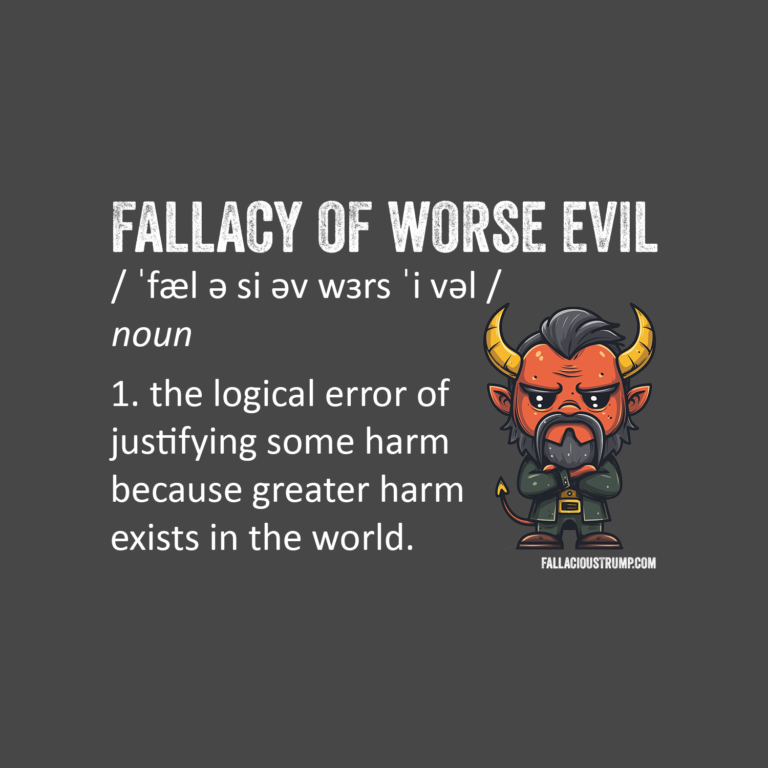
Fallacy of Worse Evil FT#76
The Fallacy of Worse Evil is committed when someone acts like something is not a problem because worse problems exist or can be imagined.
-

Tokenism Fallacy FT#75
The Tokenism Fallacy is committed when someone makes a minimal gesture and claims it is far more significant than it really is.
-
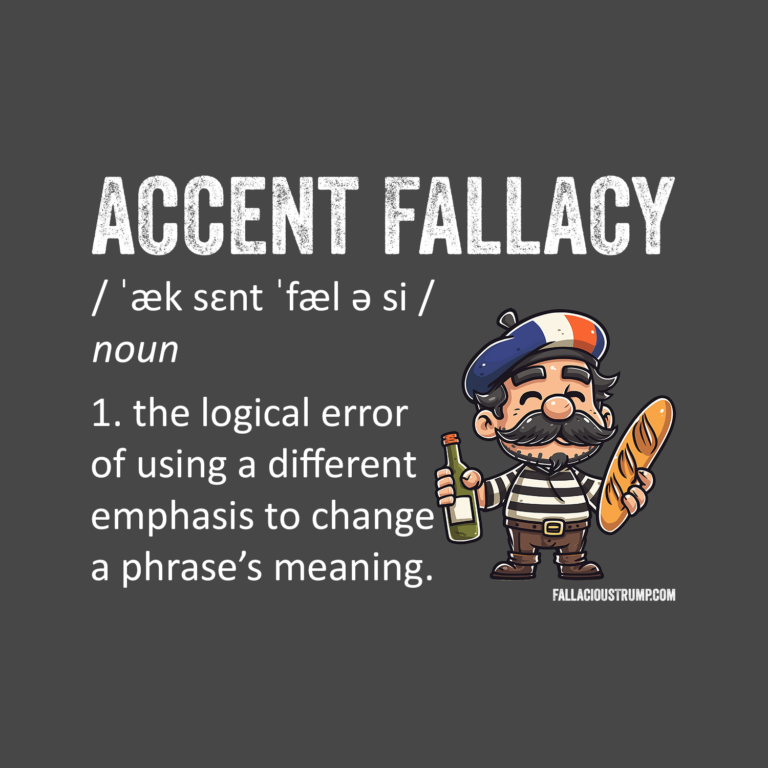
Accent Fallacy FT#74
The Accent Fallacy is committed when the meaning of a sentence or phrase is changed by placing the emphasis on a different part, or leaving emphasis…
-
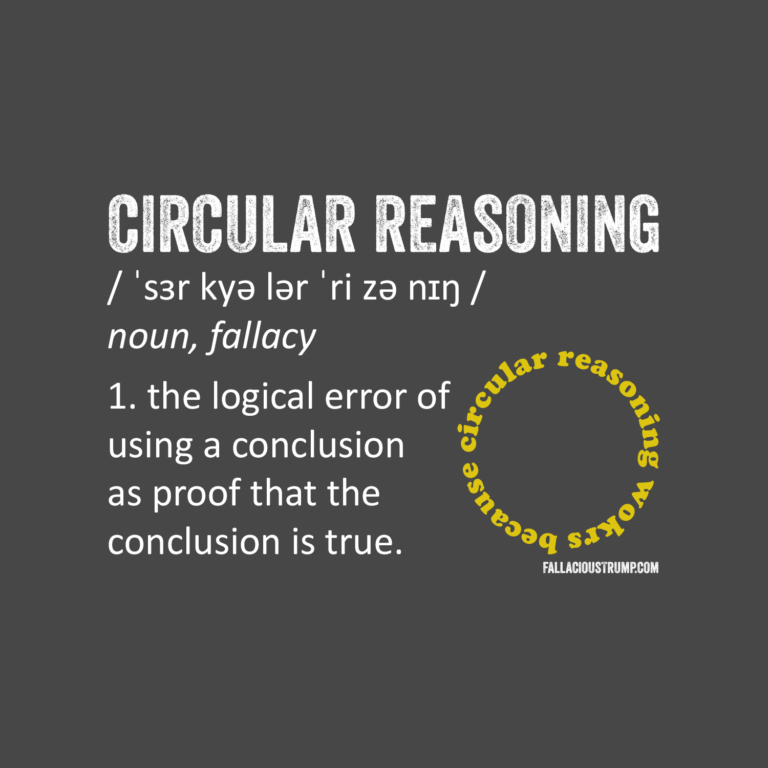
Circular Reasoning FT#73
The Circular Reasoning fallacy is committed when someone makes at least two claims, each of which is offered as evidence for the other.
-
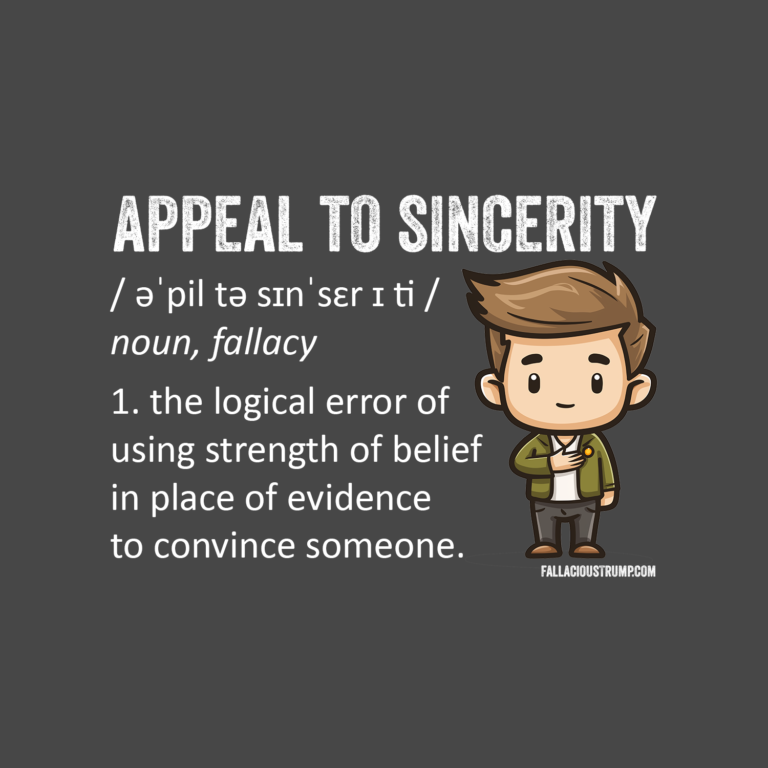
Appeal to Sincerity FT#72
The Appeal to Sincerity fallacy is committed when someone tries to convince you of just how sincerely they believe in their claims, rather than offering evidence…
-

Anecdotal Fallacy FT#71
The Anecdotal Fallacy is committed when someone allows an anecdote to lend far more weight to an argument than it warrants.
-
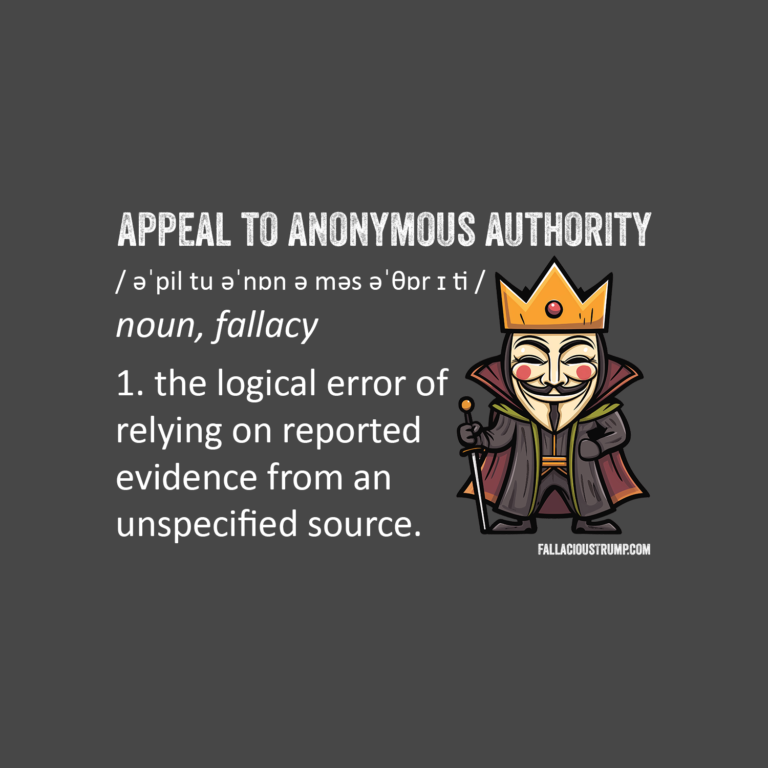
Appeal to Anonymous Authority FT#70
The Appeal to Anonymous Authority is committed when someone cites an authority to back up a claim, but the authority is unnamed, vague or similarly uncheckable.
-

Imposter Fallacy FT#69
The Imposter Fallacy is committed when someone claims without sufficient evidence that a member of their group who is making them look bad is actually an…
-
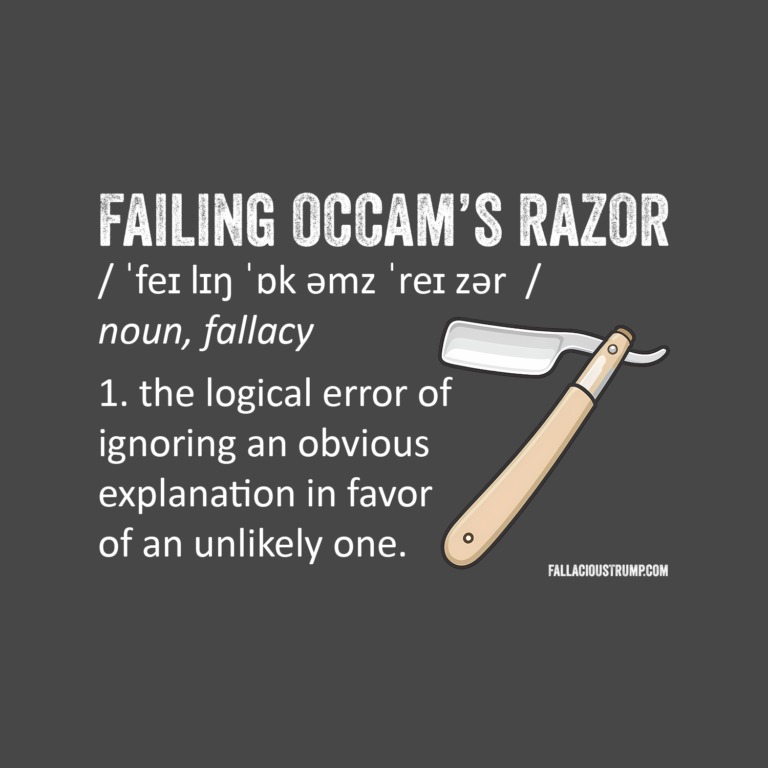
Failing Occam’s Razor FT#68
The Failing Occam’s Razor Fallacy is committed when someone ignores an obvious or simple explanation for something and chooses a far-fetched hypothesis instead.
-
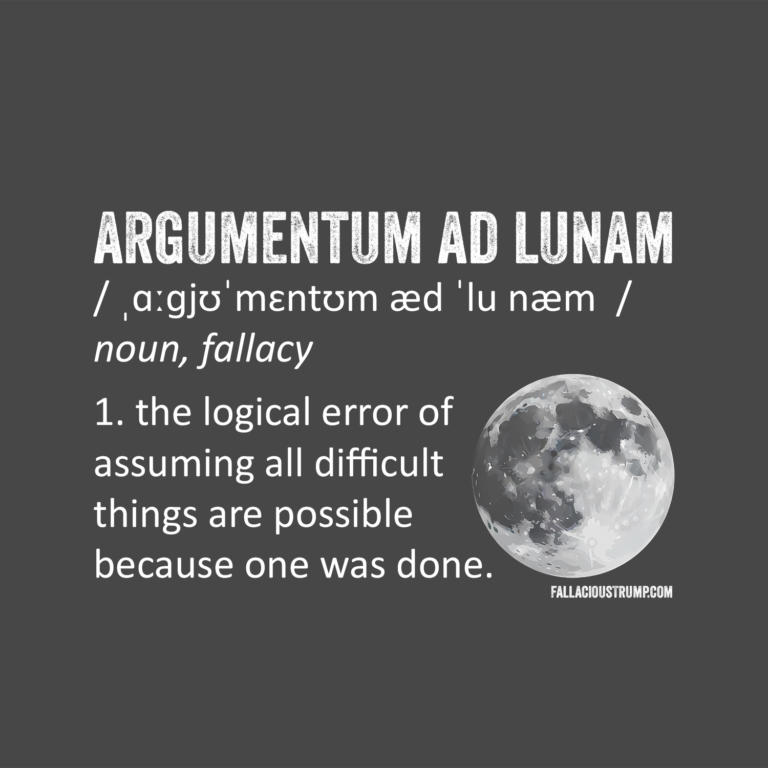
Argumentum ad Lunam FT#67
The Argumentum ad Lunam Fallacy is committed when someone compares putting a man on the moon (or another very hard thing that has been achieved) to…
-

Promised Proof FT#66
The Promised Proof Fallacy is committed when someone can’t back up their claims with anything other than some currently non-existent proof that they claim will appear…
-

Argument from Consequences FT#65
The Argument from Consequences occurs when someone makes a truth claim based on how good (or bad) things would be if the claim was in fact…
-

Thought-Terminating Cliché FT#64
The Thought-Terminating Cliché occurs when someone uses a well known or common phrase as a way of ending the debate and accepting no further thoughts on…
-

Prosecutor’s Fallacy FT#61
The Prosecutor’s Fallacy is committed when someone mixes up the conditionals when stating a probability or doesn’t factor the conditionals in at all.
-

Contextomy FT#60
The Contextomy Fallacy is committed when someone uses another person’s quote out of context to change the intended meaning and support their own argument.
-
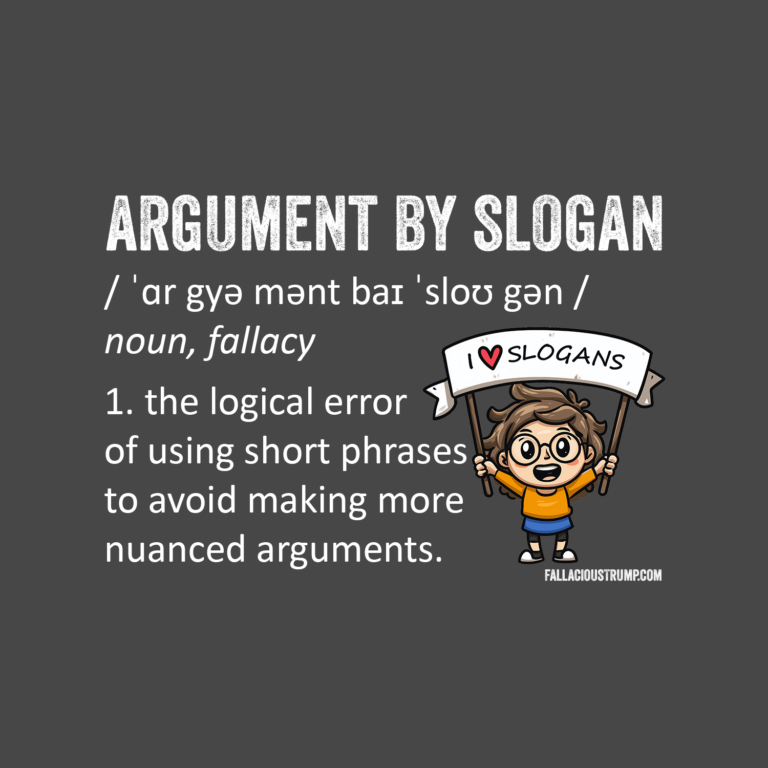
Argument by Slogan FT#59
The Argument by Slogan Fallacy is committed when someone uses a short snappy phrase to avoid making an argument that actually requires some nuance, explanation or…
-
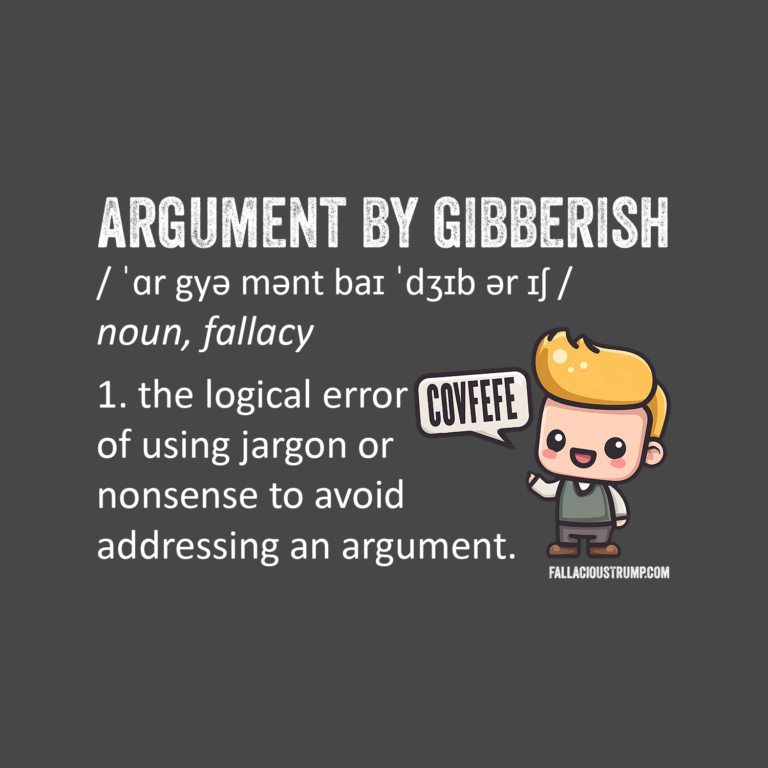
Argument by Gibberish FT#58
The Argument by Gibberish Fallacy is committed when someone uses jargon or nonsense in place of an argument or an answer because they are unable to…