Liz Truss: Logical Fallacies
Every Fallacious Trump episode featuring Liz Truss, 15 so far. Each one breaks down a logical fallacy with real clips and a plain-English definition. Pick a card to hear the episode.
-

Appeal to Pity FT#199
The Appeal to Pity Fallacy occurs when someone tries to convince others by making them feel sympathetic instead of using evidence.
-
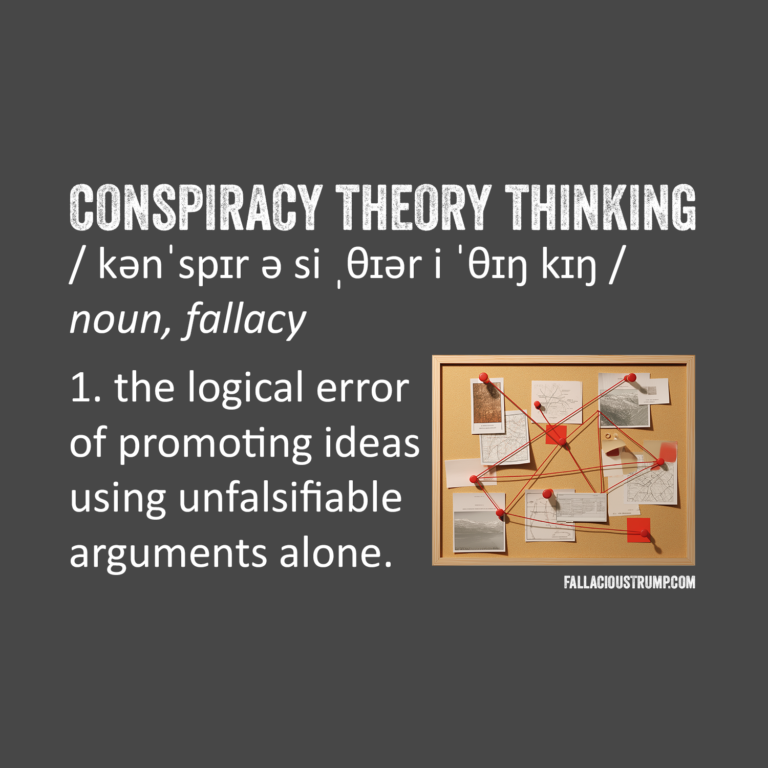
Conspiracy Theory Thinking (Redux) FT#196
Conspiracy theorists often create unfalsifiable arguments, using a combination of goalpost moving, arguments from ignorance and circular logic.
-
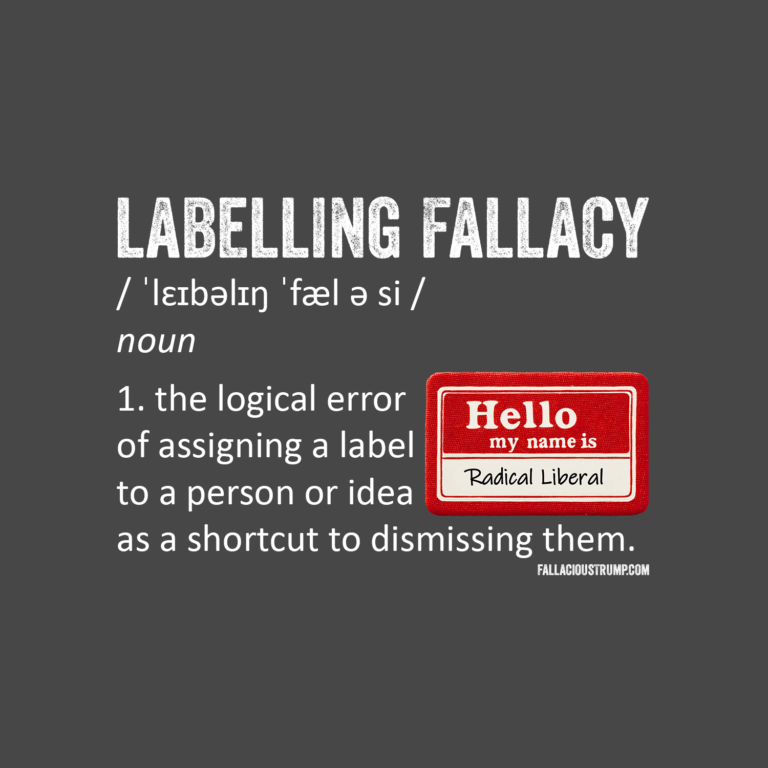
Labelling FT#178
The Labelling Fallacy occurs when someone assigns a (usually negative) label to a person or idea as a shortcut to avoid providing evidence of how the…
-

Inconsistent Comparison (Redux) FT#169
The Inconsistent Comparison Fallacy occurs when someone backs up their argument by comparing things which actually differ in important and relevant ways.
-

Fault as Virtue FT#166
The Fault as Virtue Fallacy occurs when someone disingenuously reframes a flaw in themselves or a situation as a good thing to support their argument.
-

Non Sequitur (Redux) FT#162
The Non Sequitur Fallacy occurs when someone makes a conclusion that does not follow from the premises.
-

Glittering Generalities FT#160
The Glittering Generalities Fallacy occurs when someone uses vague, emotionally appealing phrases in place of reason.
-

Passing the Buck FT#157
The Passing the Buck Fallacy occurs when someone attempts to avoid responsibility by claiming someone else is to blame for their actions.
-

Appeal to Coincidence FT#151
The Appeal to Coincidence occur when someone claims luck or coincidence is the reason something happened despite evidence of a more likely cause.
-

Apophasis FT#148
Apophasis occurs when someone raises a subject by claiming they are not going to mention it.
-
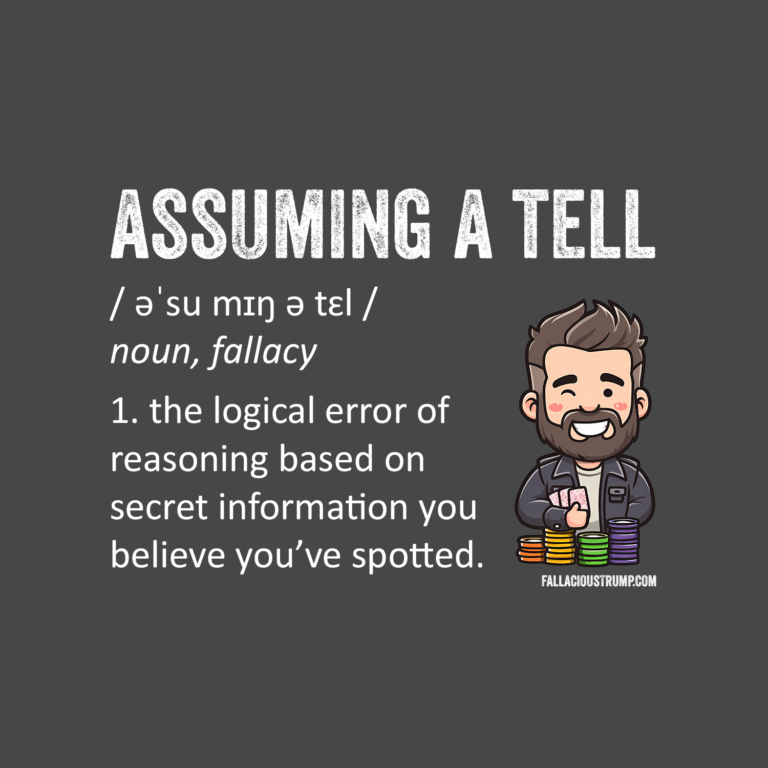
Assuming a Tell FT#121
The Fallacy of Assuming a Tell is committed when someone convinces themselves that they’ve identified a way of spotting secret information and then uses that as…
-
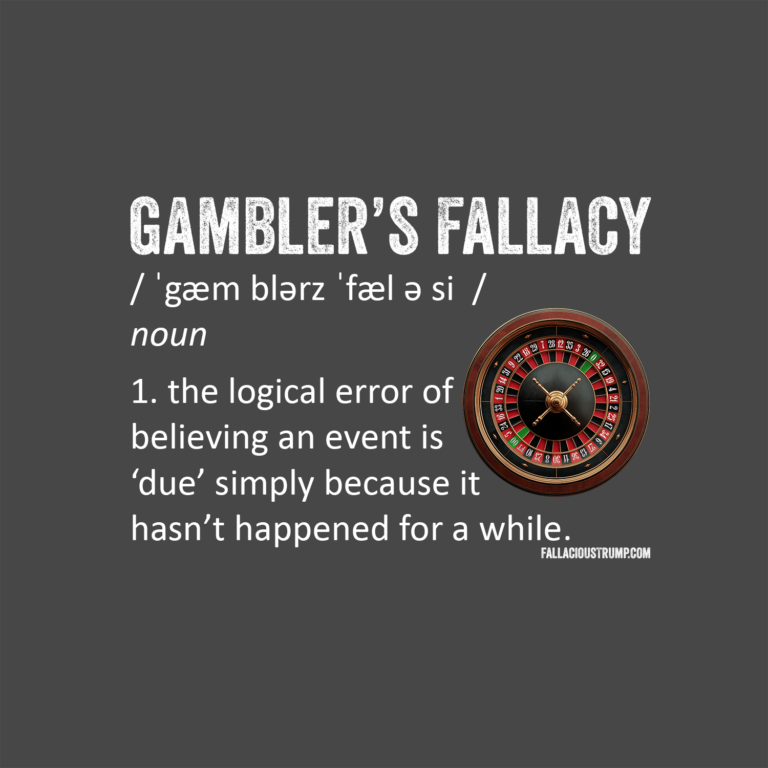
Gambler’s Fallacy FT#111
The Gambler’s Fallacy is committed when someone confuses dependent and independent events or claims that a particular outcome is ‘due’ because it hasn’t happened for some…
-
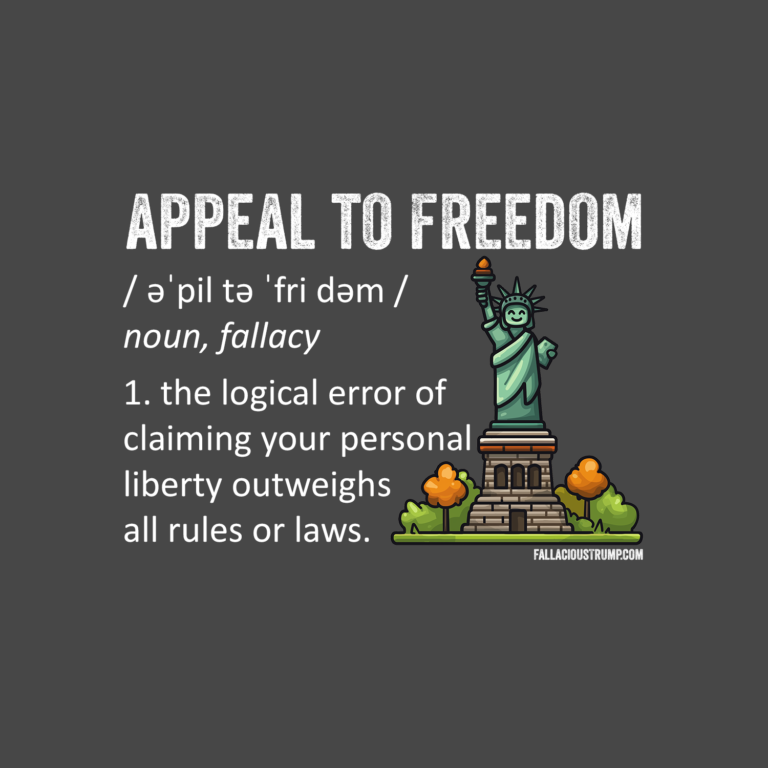
Appeal to Freedom FT#110
The Appeal to Freedom Fallacy is committed when someone claims that they should be entitled to something because any restraint of personal freedom for any reason…
-
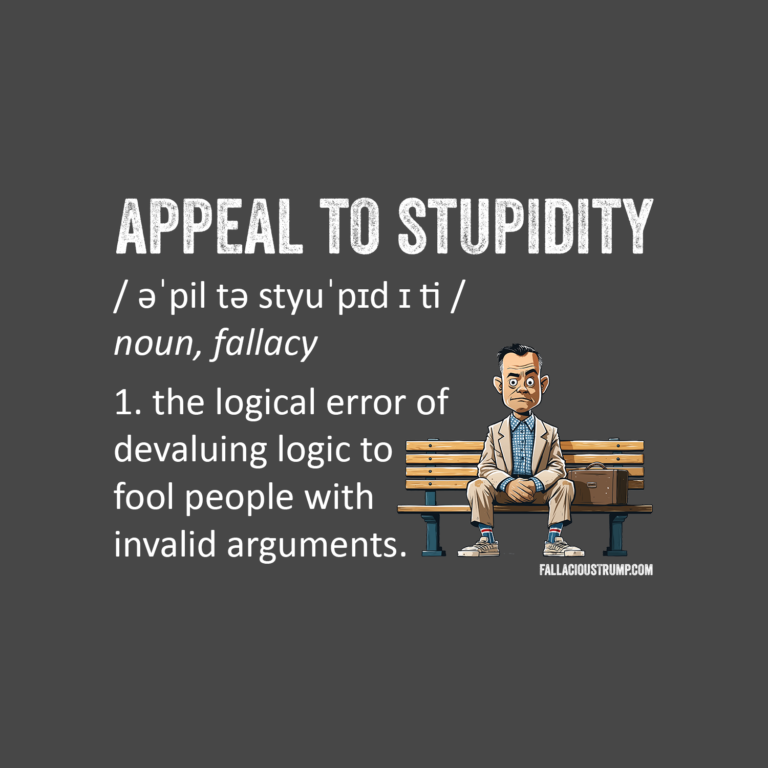
Appeal to Stupidity FT#106
The Appeal to Stupidity is committed when someone dismisses or devalues education, intellect or reason in order to make their uneducated, idiotic, unreasonable claim sound more…
-
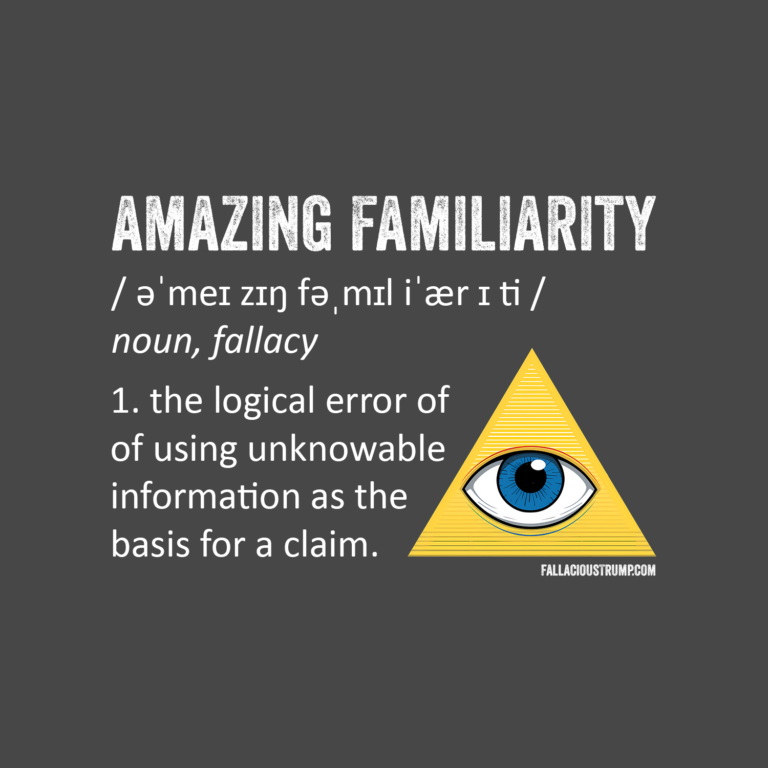
Amazing Familiarity FT#91
The Amazing Familiarity Fallacy is committed when someone makes an argument based on information they couldn’t possibly have, such as what someone else is thinking.