Trump
-

Subverted Support FT#103
The Subverted Support Fallacy is committed when someone tries to describe or explain a phenomenon without first providing any evidence that the phenomenon exists at all.…
-
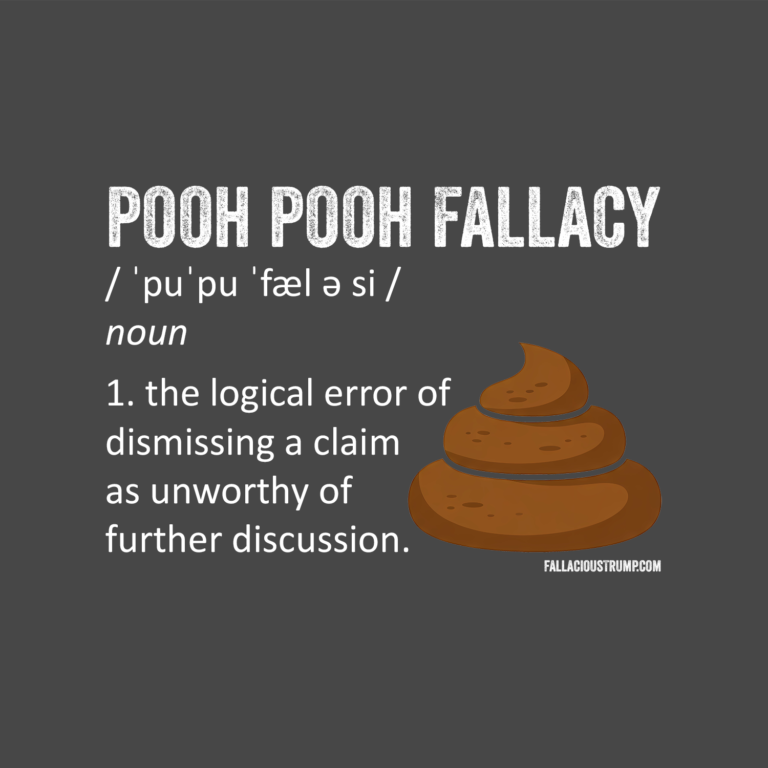
Pooh Pooh Fallacy FT#102
The Pooh Pooh Fallacy is committed when someone dismisses a claim, argument or question as not being worthy of discussion, especially as a technique to avoid…
-

Greater Good FT#101
The Greater Good Fallacy is committed when someone claims you should accept their argument or make some sacrifice because it’s for the greater good of everyone.…
-

False Consensus FT#100
The False Consensus fallacy occurs when someone makes an argument based on their assumption that most other peoples behaviour, beliefs, thoughts and motivations are the same…
-

Need for First Hand Accounts FT#99
The Need for First Hand Accounts Fallacy is committed when someone refuses to accept an argument based on any evidence except personal experience.
-
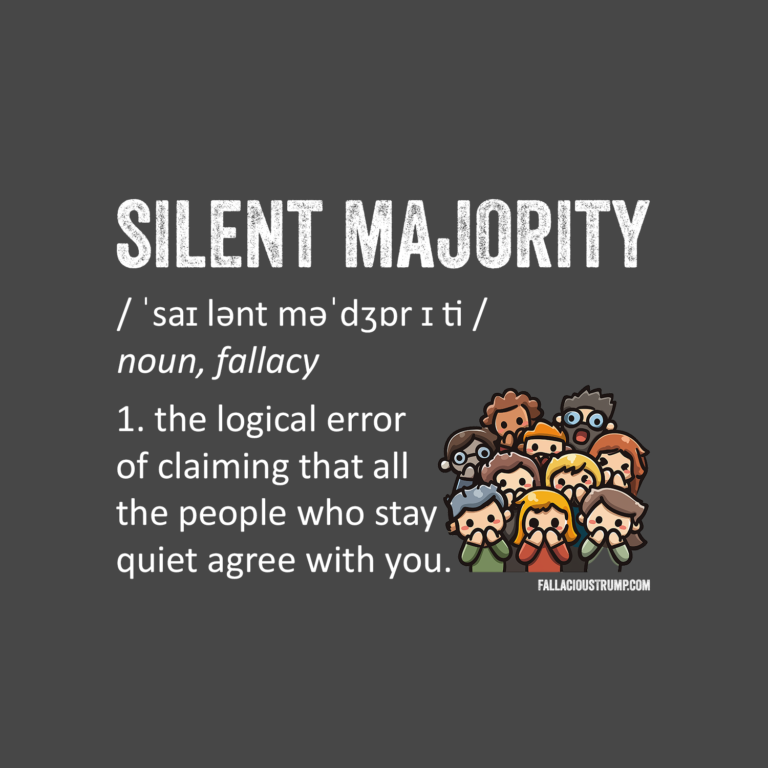
Silent Majority Fallacy FT#98
The Silent Majority Fallacy is committed when someone assumes all or most of the people who aren’t vocally disagreeing with them, in fact agree with them.
-

Argument by Vehemence FT#97
The Argument by Vehemence is committed when someone gets loud, angry or indignant in place of making an actual argument.
-

Toupée Fallacy FT#96
The Toupée Fallacy is a type of Argument from Ignorance where someone doesn’t notice evidence that would prove that they don’t notice confounding evidence, such as…
-

Appeal to Loyalty FT#95
The Appeal to Loyalty Fallacy is committed when someone suggests you should believe a truth claim due to the loyalty you feel to the person making…
-
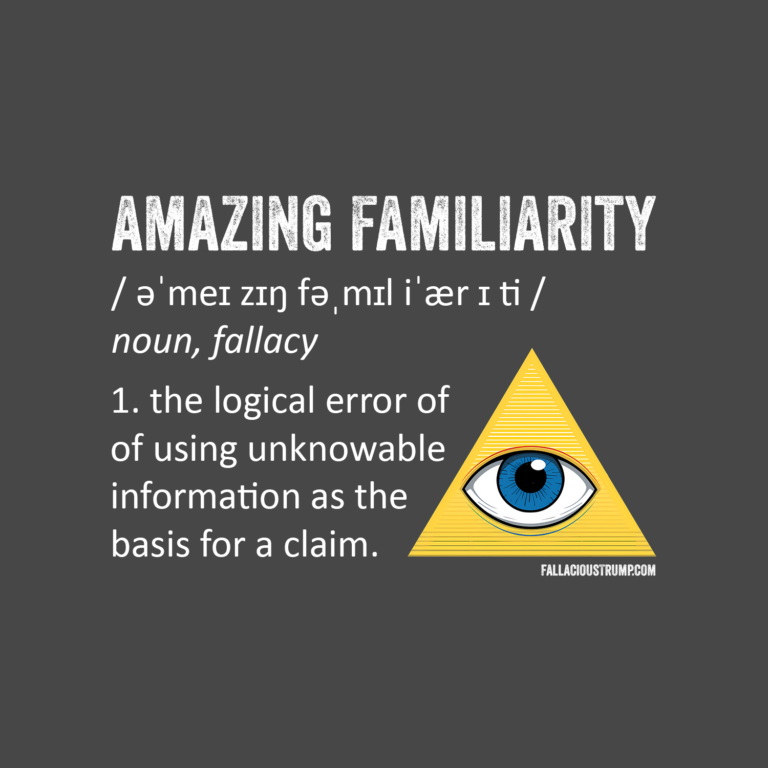
Amazing Familiarity FT#91
The Amazing Familiarity Fallacy is committed when someone makes an argument based on information they couldn’t possibly have, such as what someone else is thinking.
-
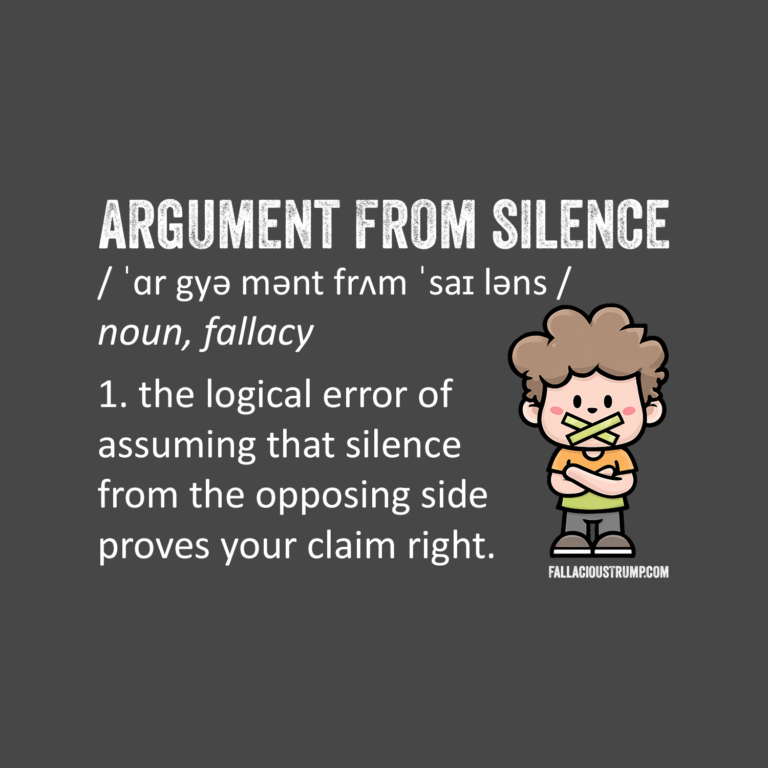
Argument from Silence FT#90
The Argument from Silence Fallacy is committed when someone assumes that no response from their opponent is proof that they are right.
-
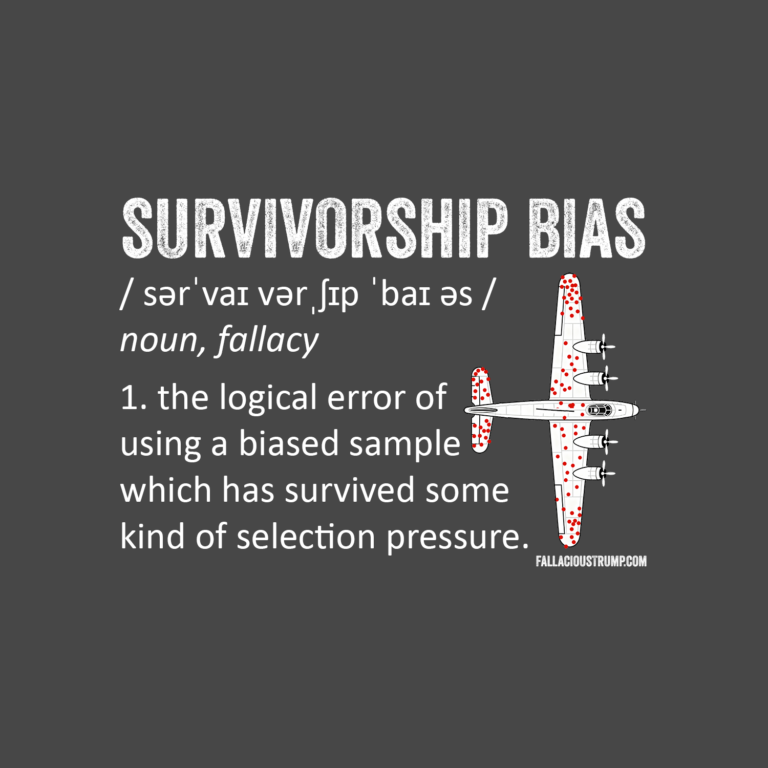
Survivorship Bias FT#89
The Survivorship Bias Fallacy is committed when someone makes an argument based on a biased sample that only includes items that have survived some kind of…
-
Appeal to Fiction FT#86
The Appeal to Fiction Fallacy is committed when someone tries to use something that happened in a work of fiction to back up their claim about…
-

Broken Window Fallacy FT#85
The Broken Window Fallacy is committed when someone tries to claim when a bad thing happens, that good things will result from it, which makes it…
-
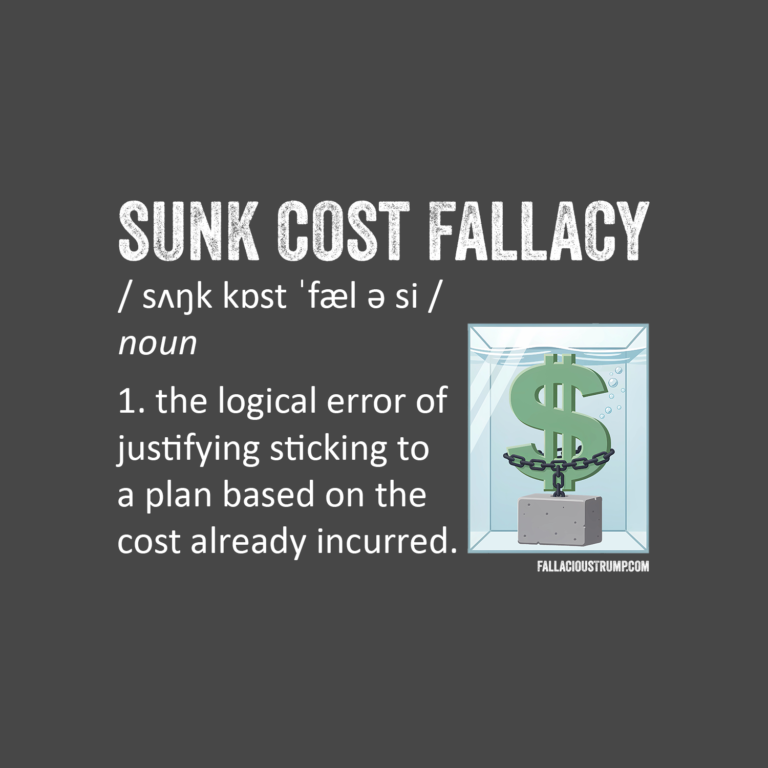
Sunk Cost Fallacy FT#84
The Sunk Cost Fallacy is committed when someone justifies maintaining or extending a course of action based on the cost already incurred (whether in terms of…
-

Double Standard Fallacy FT#83
The Double Standard Fallacy is committed when someone treats two very similar situations differently (usually to their advantage) with no explanation why.
-
McNamara Fallacy FT#78
The McNamara Fallacy is committed when someone treats something as important because it is easy to measure, or dismisses something as unimportant because it is hard…
-
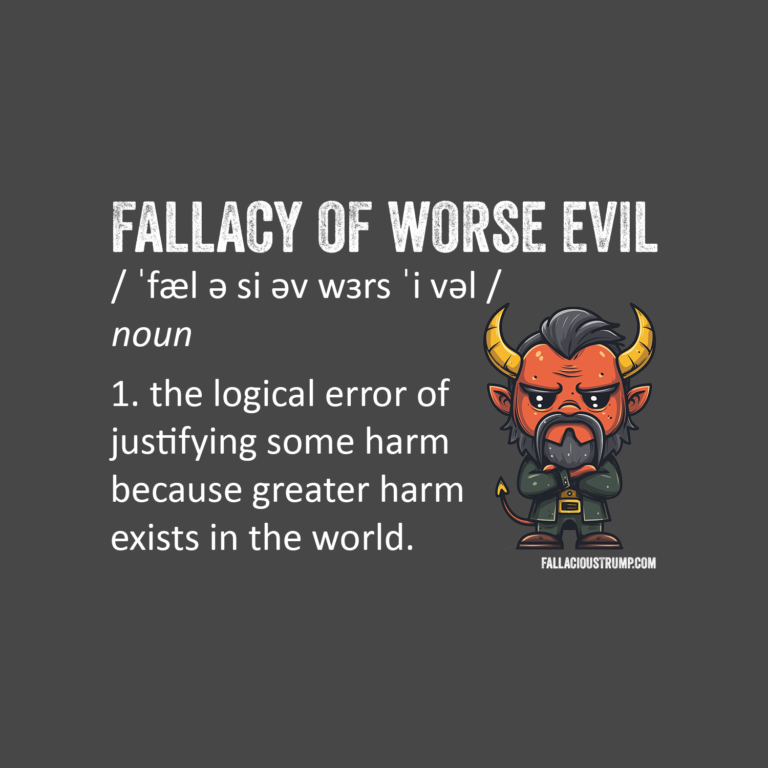
Fallacy of Worse Evil FT#76
The Fallacy of Worse Evil is committed when someone acts like something is not a problem because worse problems exist or can be imagined.
-
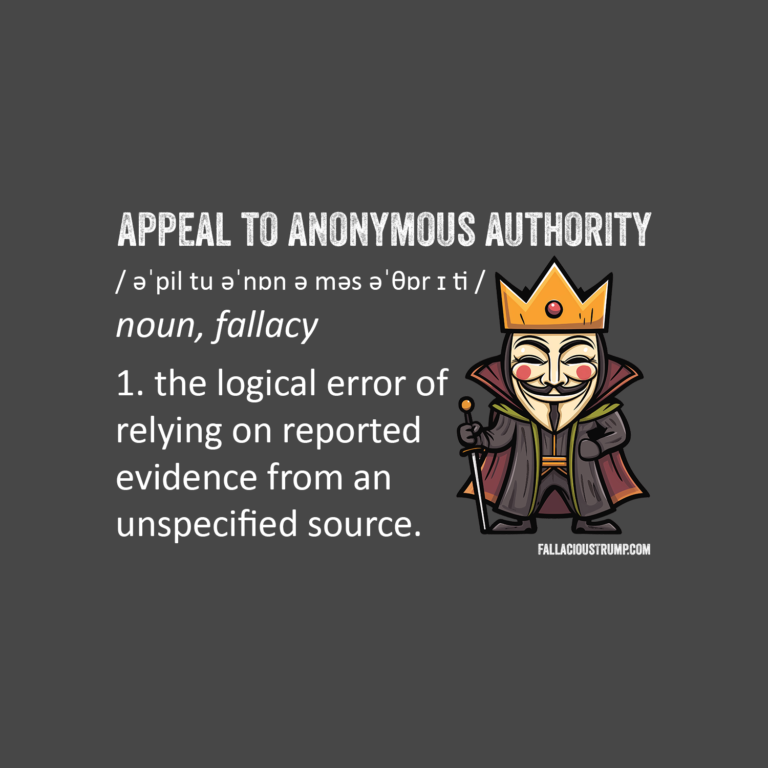
Appeal to Anonymous Authority FT#70
The Appeal to Anonymous Authority is committed when someone cites an authority to back up a claim, but the authority is unnamed, vague or similarly uncheckable.
-

Accelerating Truth FT#56
The Accelerating Truth Fallacy is committed when someone uses their own previous assertions as evidence or proof that those assertions are true.
-
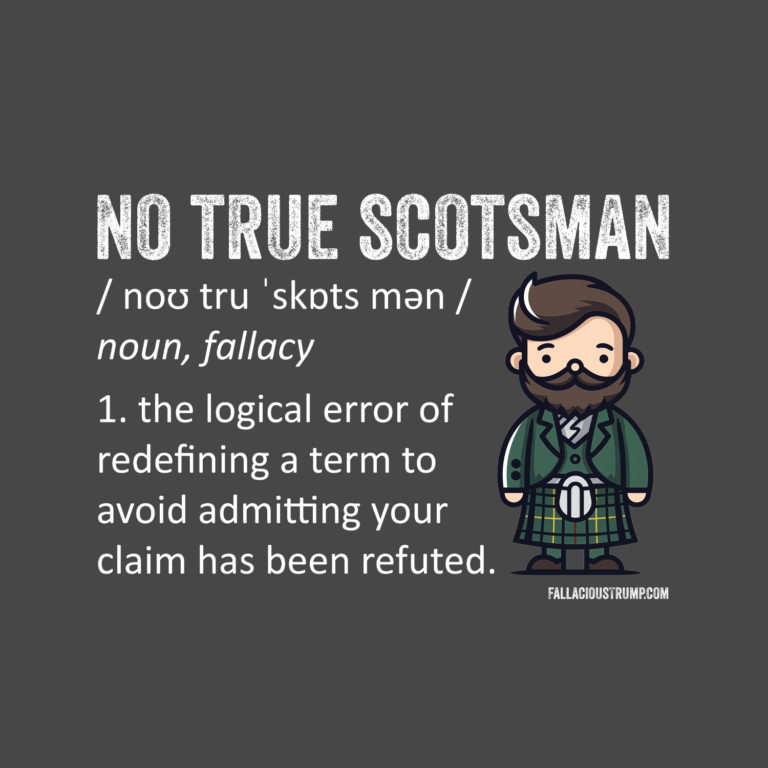
No True Scotsman FT#48
The No True Scotsman Fallacy is committed when your existing definition of a particular group is challenged by a member who doesn’t fit the criteria. Rather…
-

Rhetorical Question Fallacy FT#47
The Rhetorical Question Fallacy is a way of accusing people of something while appearing to be ‘just asking questions’. Often the questions being asked have already…
-
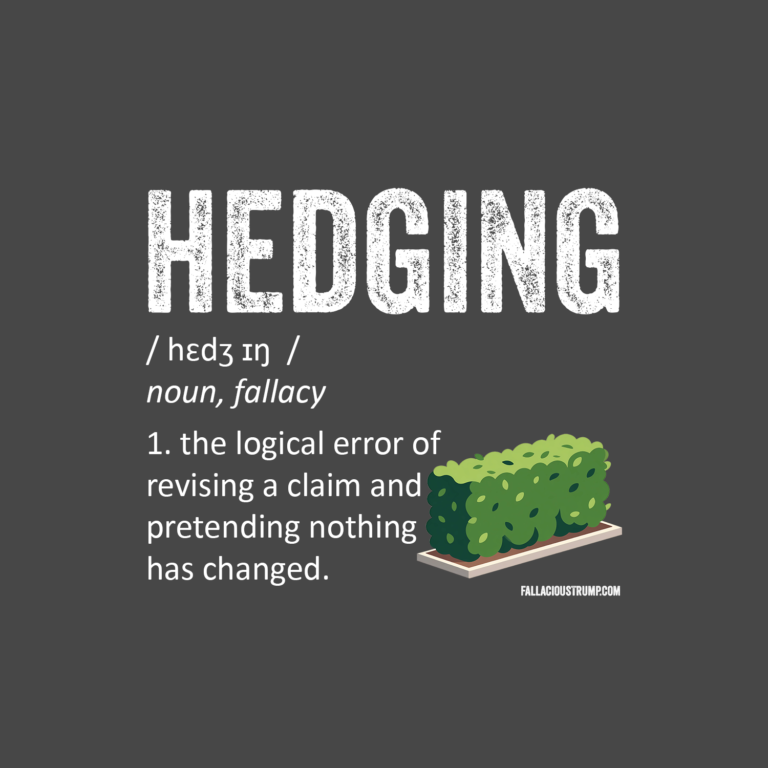
Hedging FT#46
The Hedging Fallacy is committed when someone changes their story or point of view and then acts like nothing has changed and they always thought like…
-
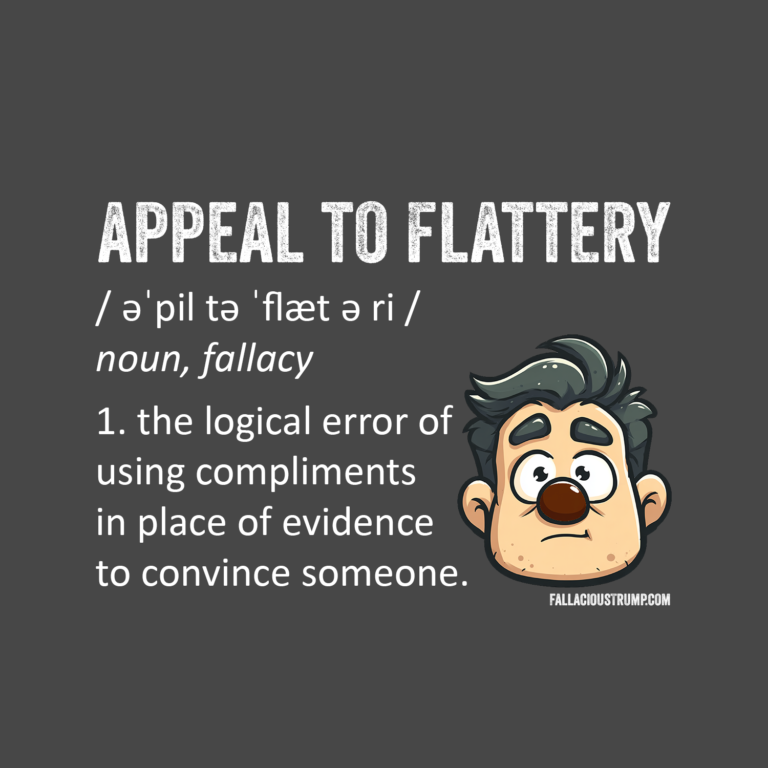
Appeal to Flattery FT#45
The Appeal to Flattery Fallacy is committed when someone uses flattery in the place of an argument when convincing someone to accept their point of view.